TIPS

Recycling is more effective when done correctly. By following these simple steps, you can reduce contamination, save resources, and make a bigger positive impact on the environment.
1. SEPARATE WASTE AT THE SOURCE

Use separate bins for: Paper & cardboard, Plastic, Glass, Metals, Organic waste, Other waste (non-recyclable).
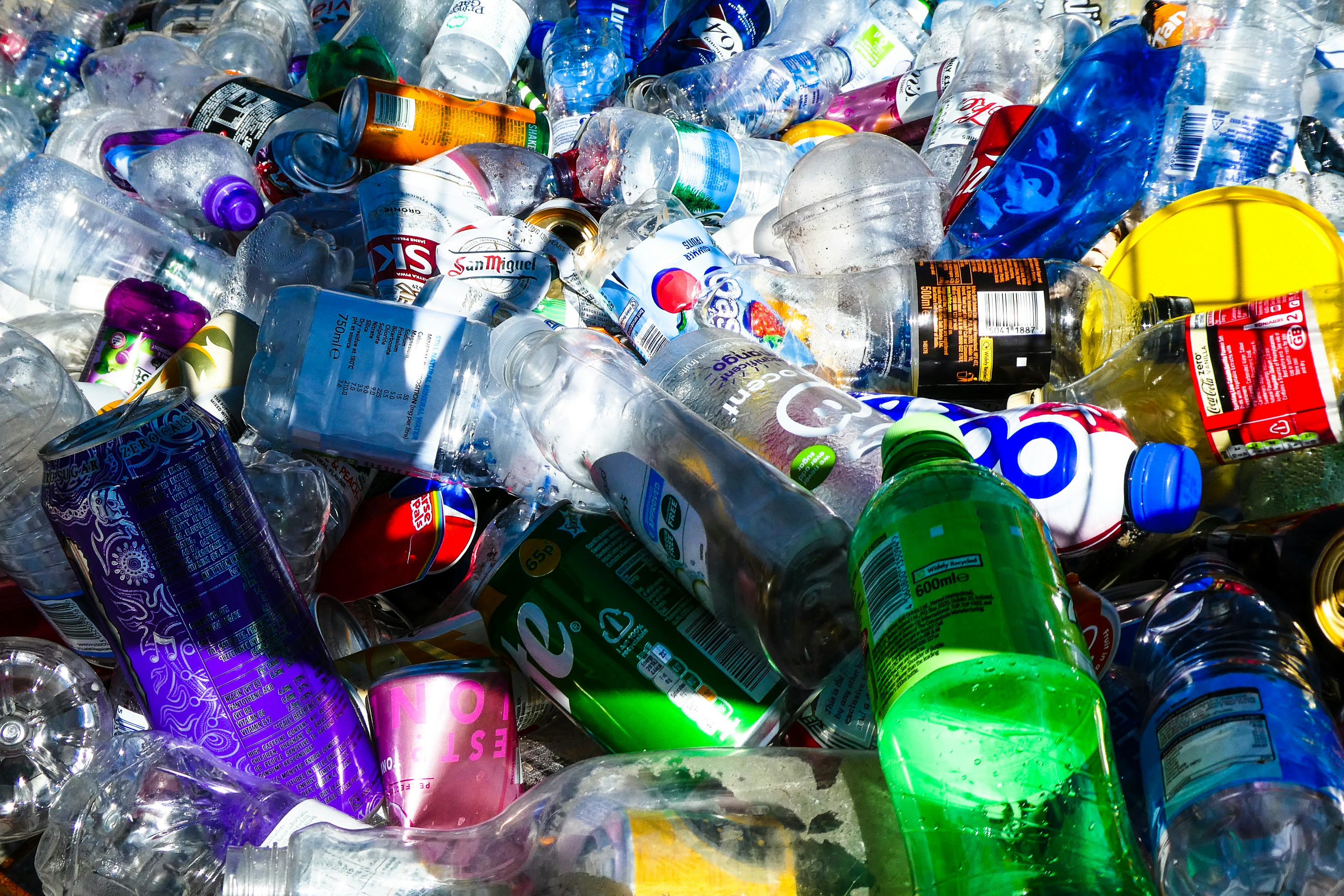
2. CLEAN MATERIALS BEFORE DISPOSING OF THEM

Rinse bottles, cans, or food packaging – food waste can contaminate the entire contents of a recycling bin.

3. DON’T MIX DIFFERENT MATERIALS

For example, don’t mix plastic with aluminum or paper with organic waste. This affects the quality of the recycling process.
4. KNOW WHAT’S RECYCLABLE IN YOUR AREA

Some materials are not accepted everywhere (like broken glass, mirrors, or certain plastics). Get informed by contacting your municipality or a local recycling company.
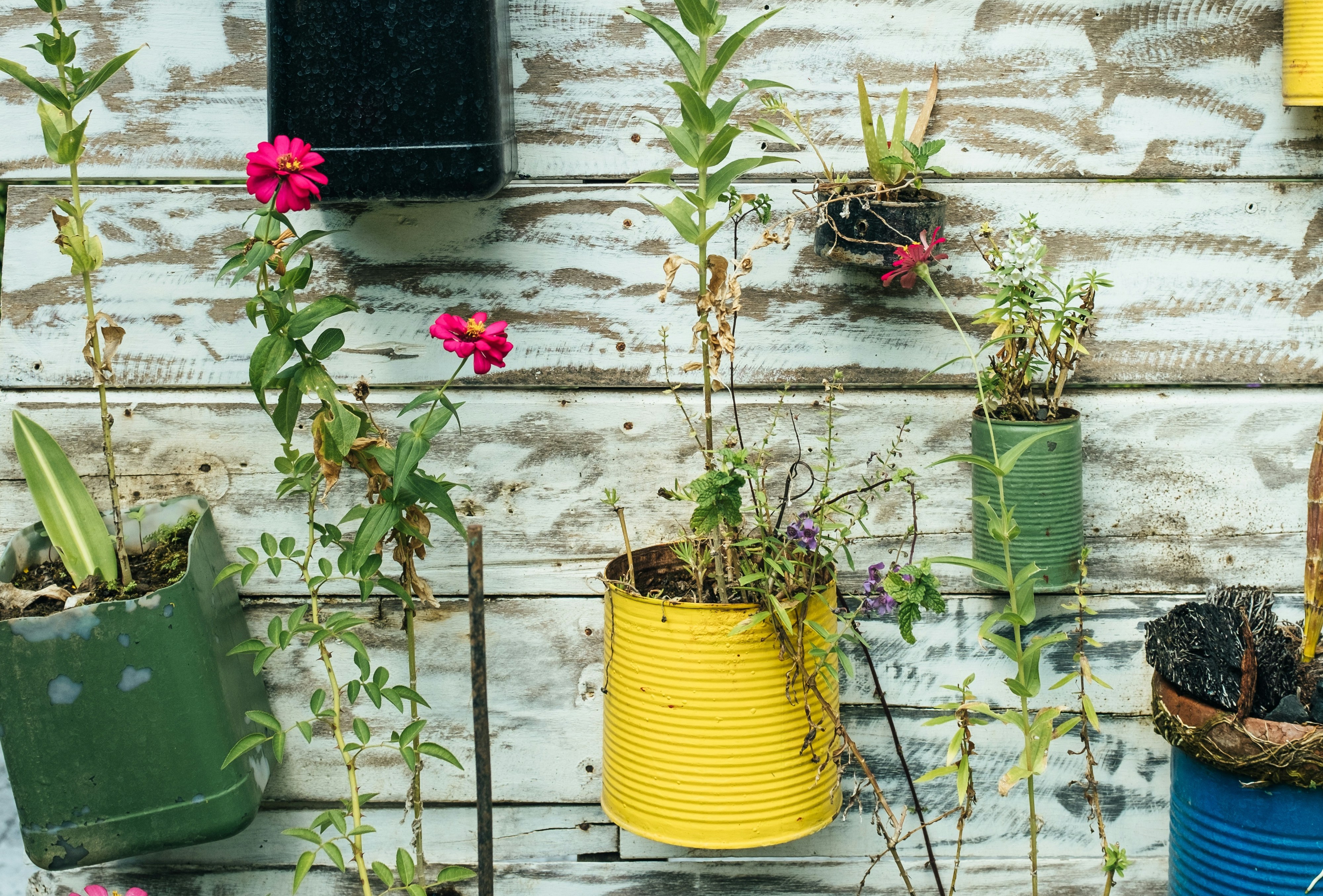
5. RECREATE – NOT JUST RECYCLE

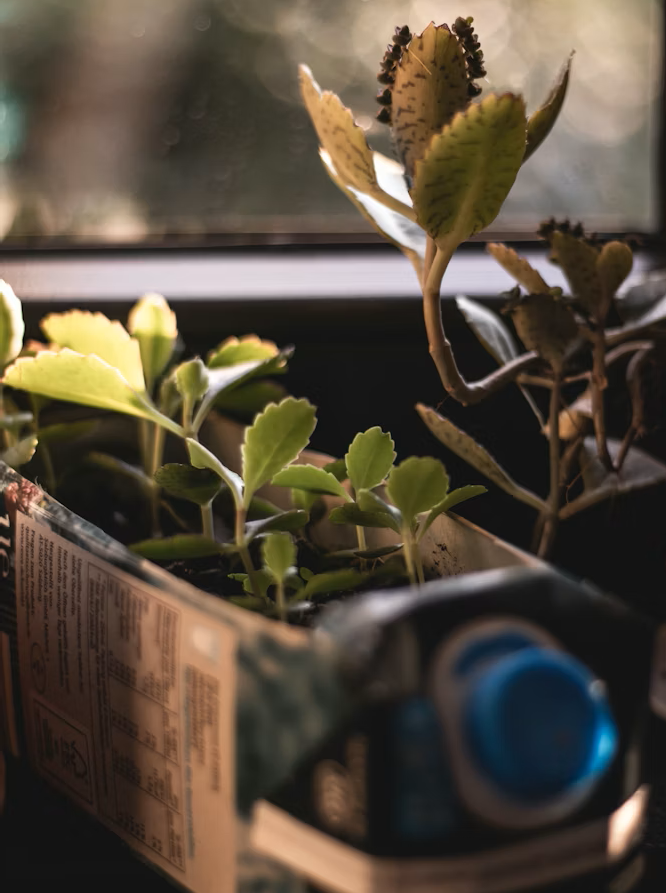
Reuse items at home for decoration, art, or other functions. This is called upcycling and helps reduce the amount of waste we generate.
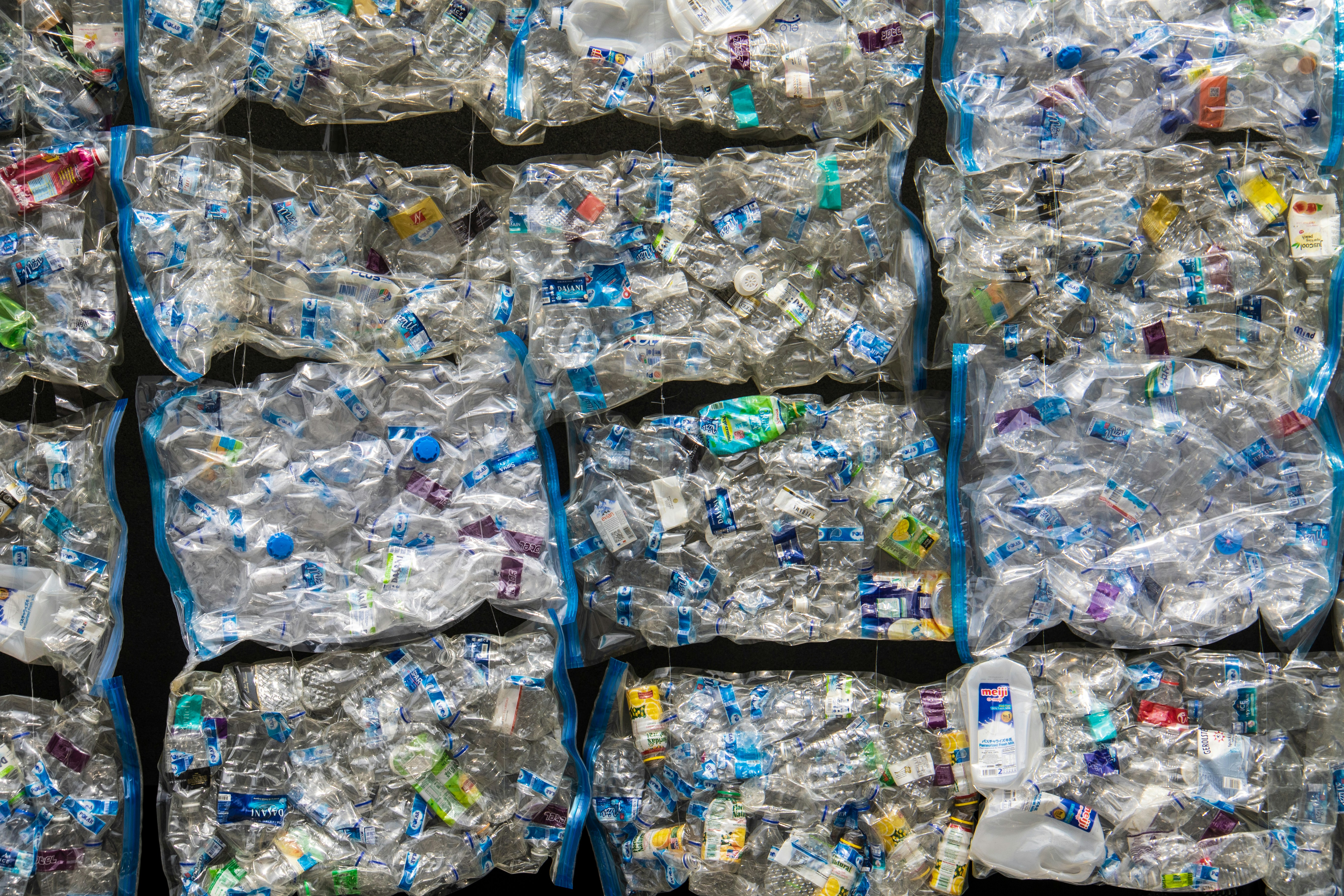
6. USE AUTHORIZED COLLECTION POINTS

Take materials to recycling centers or use services from companies like Eco Hub, which offer collection and management of recyclable waste.
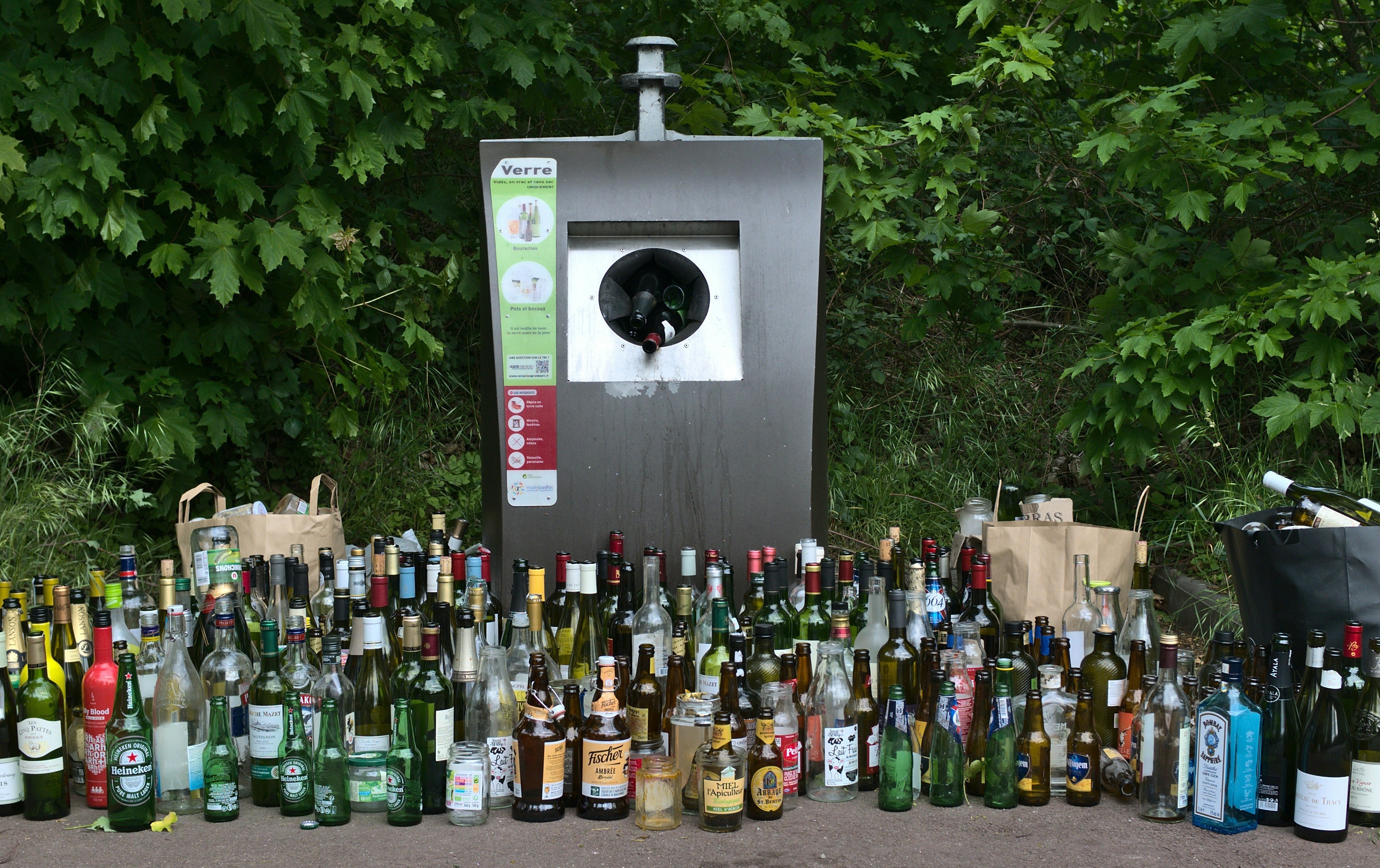
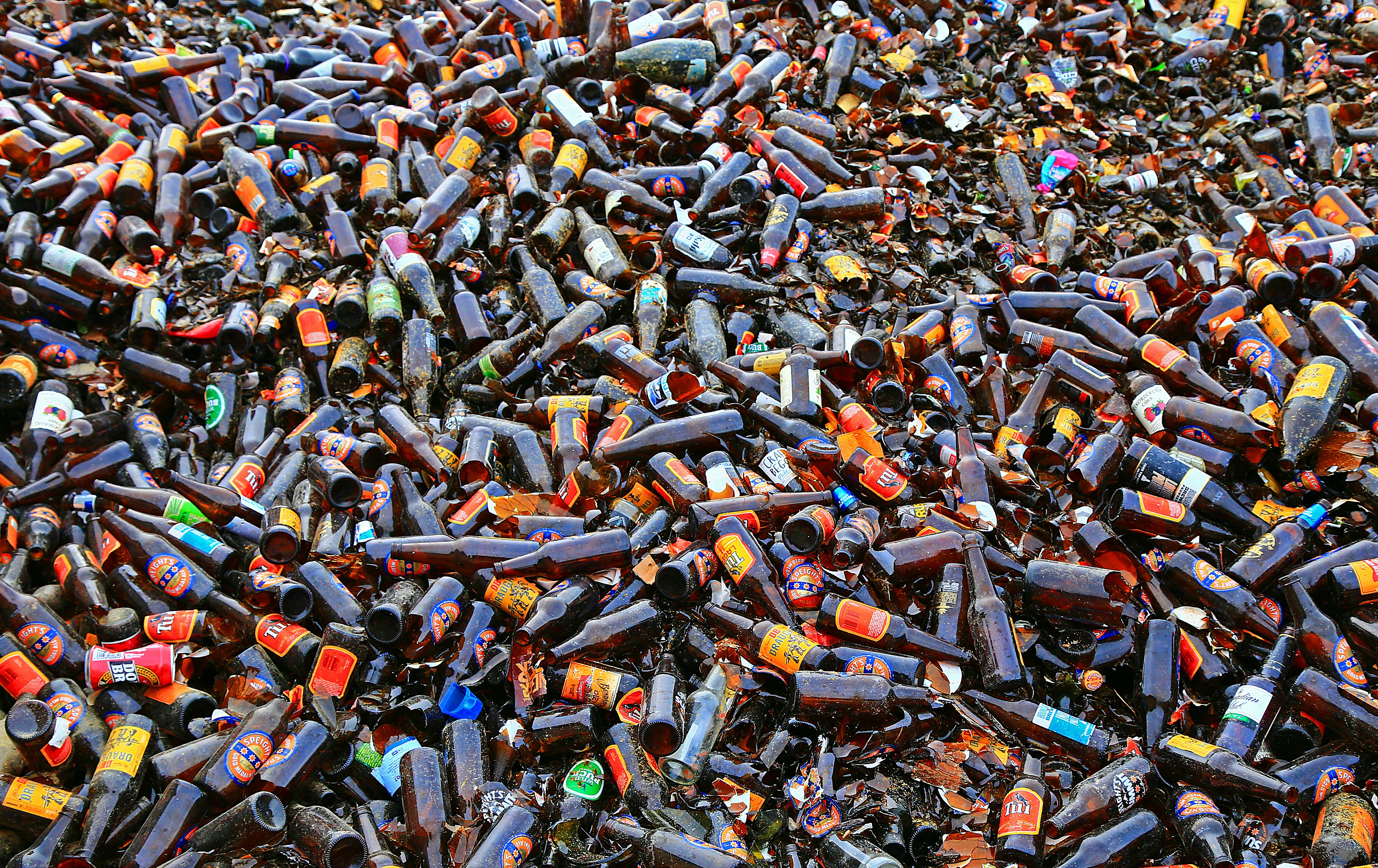
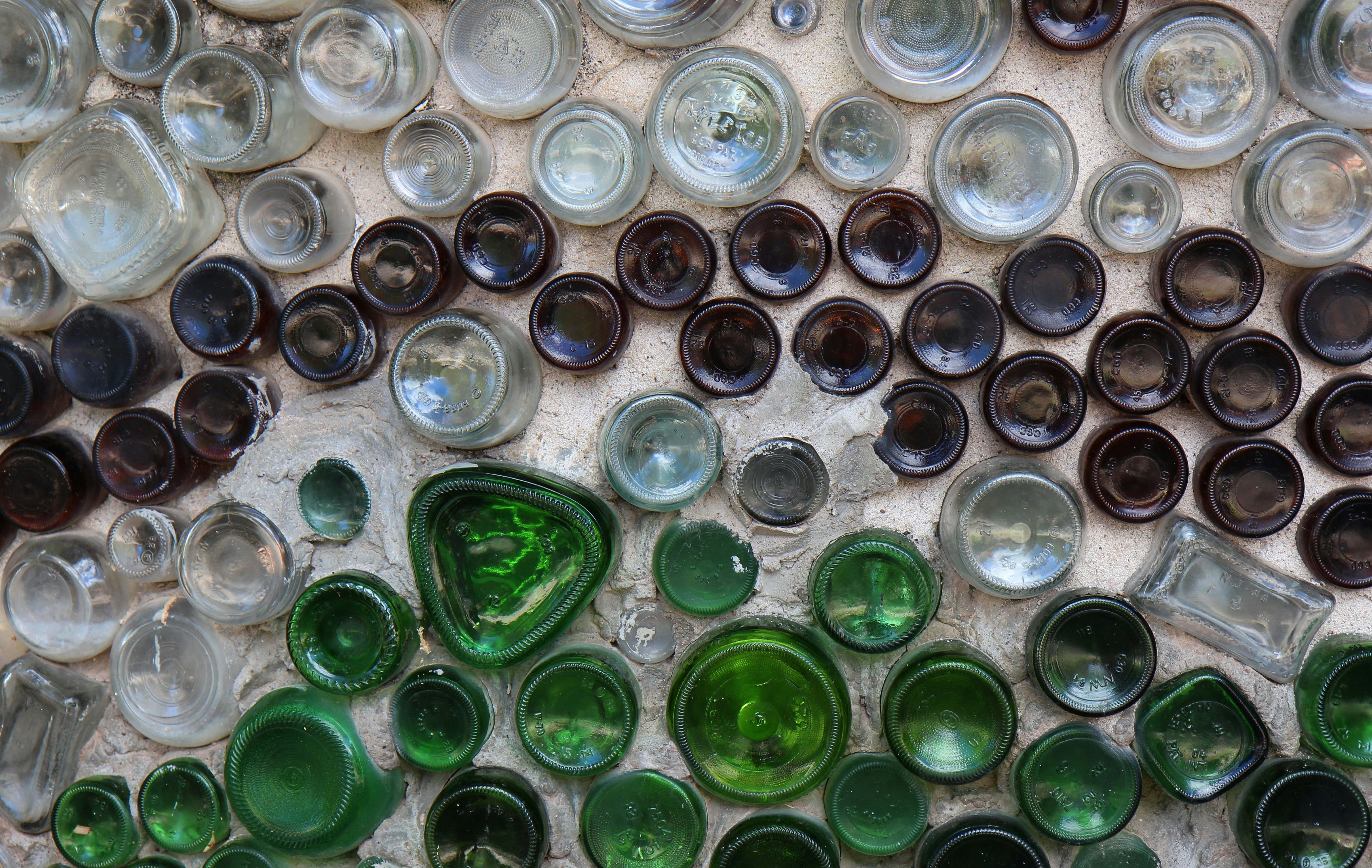
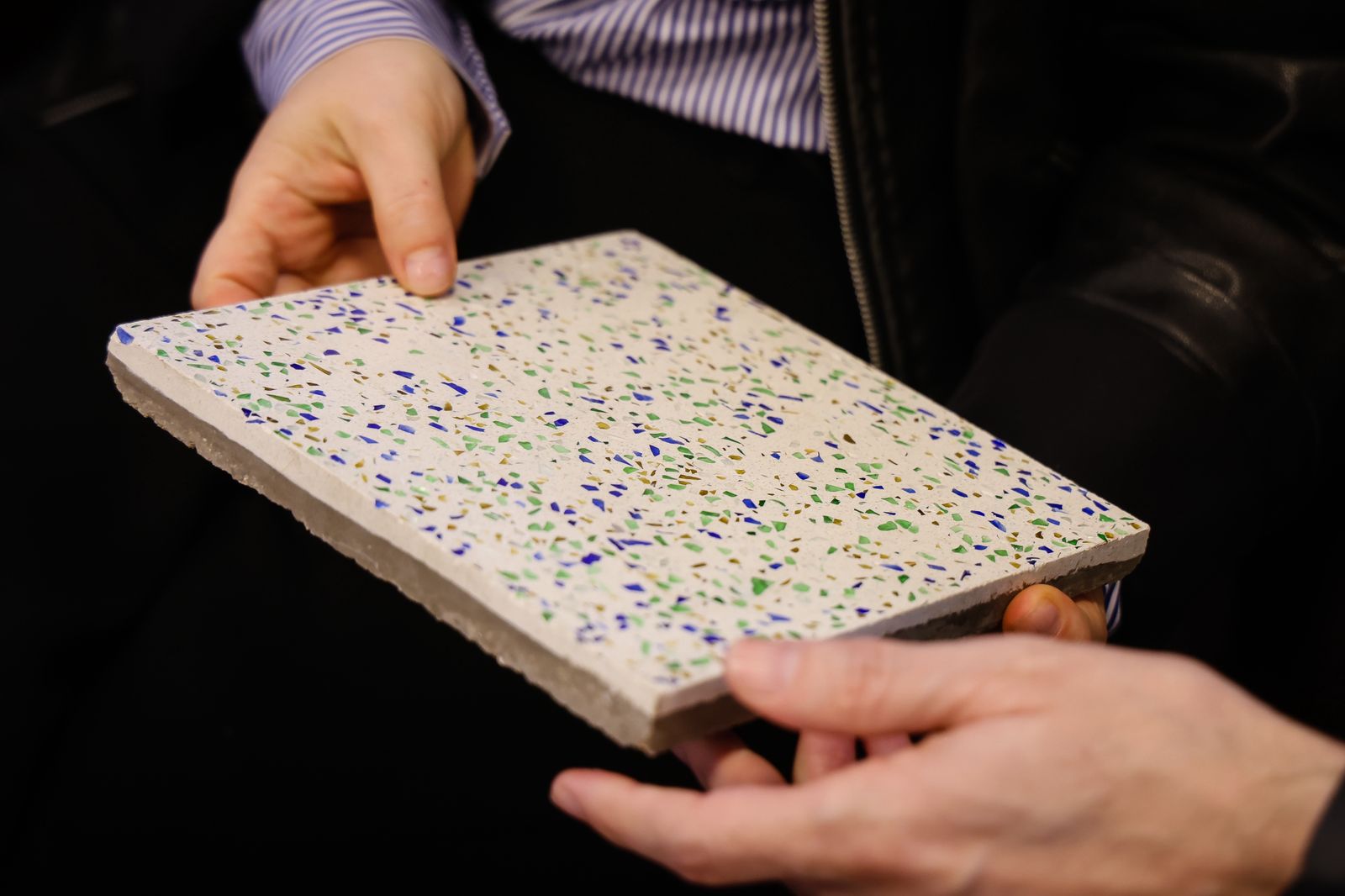
Glass recycling is the process of collecting, processing, and remelting glass waste (like bottles and jars) to create new glass products. Unlike plastic, glass can be recycled endlessly without losing its purity or quality, making it one of the most sustainable materials on Earth.

Why Recycle Glass

Why Recycle Glass?

  • Eco-Friendly – Reduces landfill waste and conserves raw materials like sand, soda ash, and limestone.
  • Energy Saving – Recycling one glass bottle saves enough energy to power a light bulb for hours.
  • Infinite Recycling – Glass does not degrade in quality, no matter how many times it’s recycled.
  • Cost-Effective – Saves money for manufacturers and reduces environmental cleanup costs.
How to Recycle Glass Properly

How to Recycle Glass Properly

  • Rinse before recycling – remove leftover food or liquid.
  • Separate colors – some recycling centers require clear, green, and brown glass to be sorted.
  • Remove lids and caps – these are usually made from plastic or metal.
  • Do not recycle broken ceramics, mirrors, or window glass – they melt differently and contaminate the process.
Creative Uses for Recycled Glass

Creative Uses for Recycled Glass

  • Eco-friendly tiles and countertops.
  • Decorative items like lamps, vases, or mosaics.
  • Construction materials such as “glassphalt” (asphalt mixed with glass).
  • Reusable glass jars for food storage.

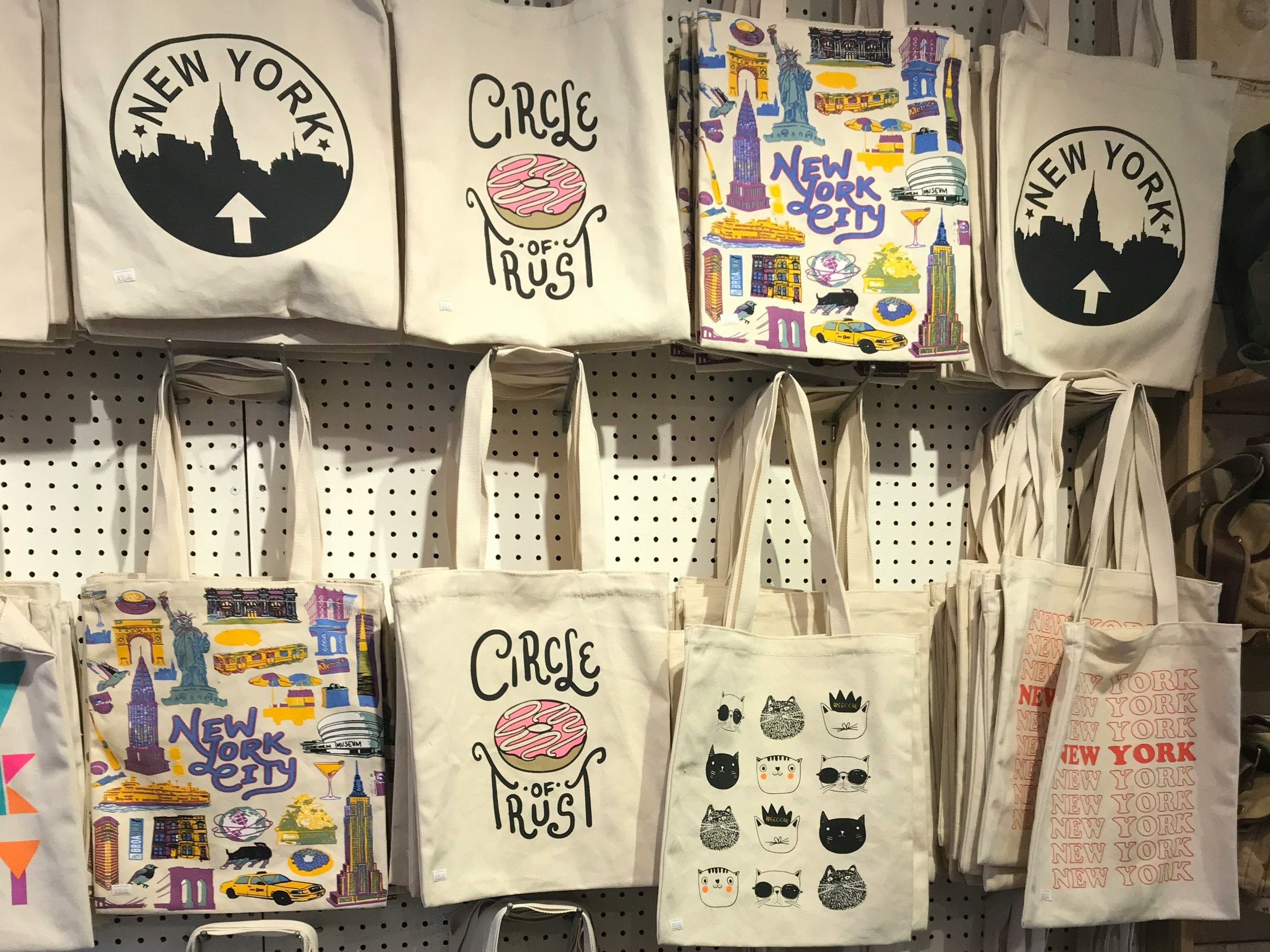
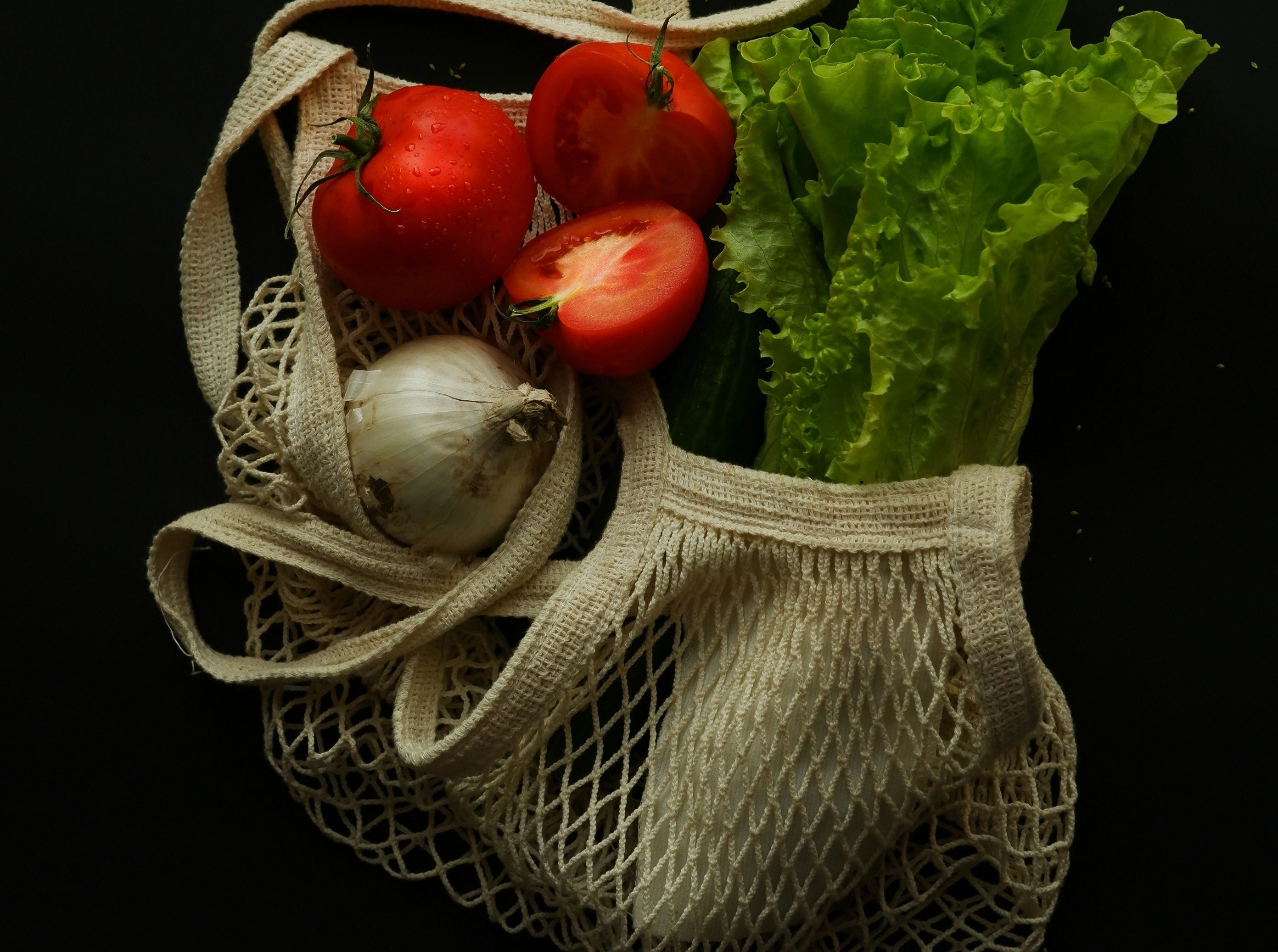
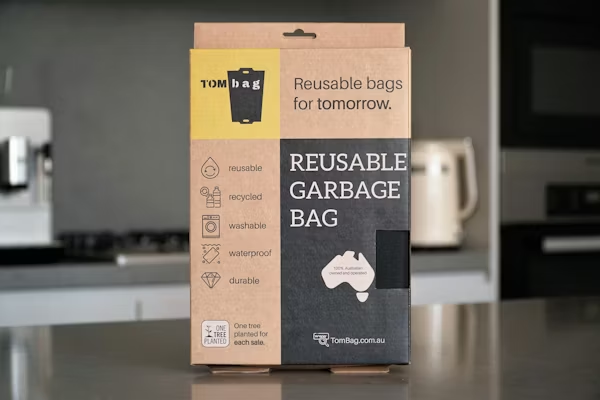
Reusable bags are eco-friendly alternatives to single-use plastic bags. They are made from sustainable materials like cotton, organic fabrics, natural fibers, or recycled plastic, and can be used multiple times without wearing out.

Benefits of Reusable Bags

Benefits of Reusable Bags

  • Reduces Plastic Pollution – Minimizes waste that ends up in rivers and oceans.
  • Long-Term Savings – Though slightly more expensive initially, they last for years.
  • Strong and Practical – Can carry more weight compared to regular plastic bags.
  • Style & Customization – Available in various designs and can be used as fashion accessories.
How to Use Reusable Bags

How to Use Reusable Bags Effectively

  • Keep one in your bag, car, or home at all times.
  • Use not just for groceries, but also for books, clothes, or travel.
  • Clean regularly to stay hygienic and last longer.
  • Choose bags made from organic materials or recycled plastic for lower environmental impact.
Extra Tips for Reusable Bags

Extra Tips for Reusable Bags

  • Avoid overloading – even reusable bags have weight limits.
  • Designate specific bags for certain items to prevent odors or stains.
  • Store folded bags in a cool, dry place to maintain their shape.
  • Replace bags periodically if they show wear or damage to ensure safety and hygiene.

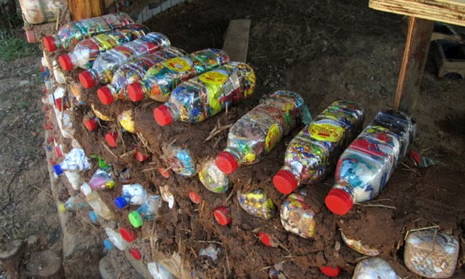
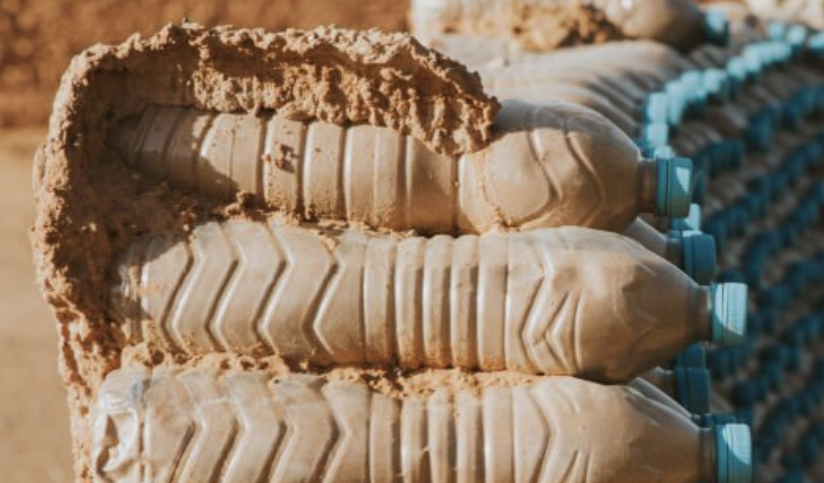
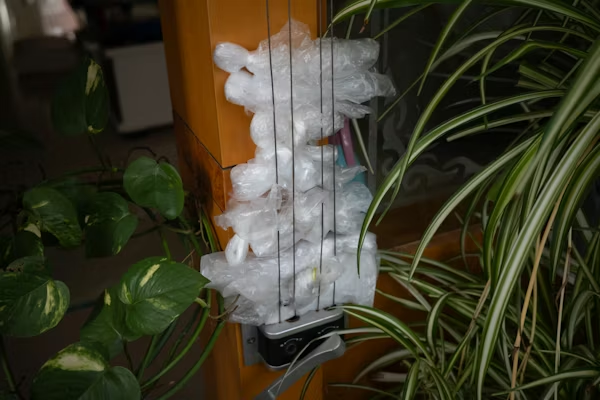
A bottle brick (also called an eco-brick) is a reusable building block made by packing clean and dry plastic waste into a plastic bottle. Once tightly filled, these bottles become strong, durable, and ready to be used as a substitute for traditional bricks in small-scale construction projects.

Why Use Bottle Bricks?

  • Eco-Friendly Solution – Helps reduce plastic pollution by reusing non-biodegradable waste.
  • Cost-Effective – Cuts down building costs since it uses everyday plastic bottles and waste.
  • • Durable and Strong – When packed tightly, bottle bricks can withstand pressure and provide solid structural support.
  • Versatile – Can be used for building benches, garden walls, furniture, pathways, and even houses in eco-projects.

How to Make a Bottle Brick

  • Collect clean and dry plastic bottles.
  • Gather non-recyclable plastic waste (wrappers, plastic bags, straws, etc.).
  • Cut waste into small pieces and stuff them tightly into the bottle using a stick.
  • Ensure the bottle is firm, with no empty air spaces.
  • Seal the cap tightly – your eco-brick is ready!

Tips for Using Bottle Bricks

  • Always use clean and dry plastic to prevent mold or bad odors.
  • Make sure the bottle is completely filled and firm – soft bricks are not reliable.
  • Combine with mud, cement, or clay to build stronger structures.
  • Get creative: use them for DIY projects, garden edging, furniture, or even walls.

Scientists in Japan have created a new plastic that dissolves in seawater within hours. Unlike conventional plastic, which takes hundreds of years to degrade, this breakthrough material reduces the risk of ocean pollution and harm to marine life.

Benefits of Dissolvable Plastic

Benefits of Dissolvable Plastic

  • Protects Marine Life – Prevents sea animals from ingesting harmful plastics.
  • Quick Decomposition – Dissolves within hours, not centuries.
  • Innovation for a Cleaner Ocean – Helps tackle one of the biggest global waste problems.
  • Safe Alternative – Maintains usability but breaks down naturally in seawater.
Applications of Seawater-Soluble Plastic

Applications

  • Packaging – Bags, wrappers, and single-use containers.
  • Fishing gear – Nets and lines that won’t trap marine animals if lost at sea.
  • Medical uses – Temporary protective coverings that dissolve safely.
  • Food industry – Edible or dissolvable films for food wrapping.
Challenges

Challenges

  • Still expensive to produce at scale.
  • Needs to balance strength + solubility (too weak, and it breaks before use).
  • Must be carefully tested to avoid unintended breakdown in humid conditions.

Why It’s Important

Over 8 million tons of plastic enter the ocean each year, threatening ecosystems. This new plastic could revolutionize packaging and single-use products, making oceans safer and cleaner.

Researchers in Canada have developed biodegradable batteries made from tree pulp. Unlike traditional batteries that release toxic waste, these eco-friendly alternatives fully dissolve in soil after use, leaving behind no harmful residues.

Benefits of Biodegradable Batteries

Benefits of Biodegradable Batteries

  • No Toxic Waste – Eliminates heavy metals like lead and cadmium.
  • Eco-Friendly Innovation – Decomposes naturally without polluting soil or water.
  • Made from Renewable Resources – Uses tree pulp, a sustainable material.
  • Safe Disposal – No need for complex recycling centers.
Applications of Biodegradable Batteries

Applications

  • Medical devices – They can power implants or sensors and safely dissolve inside the body after use.
  • Wearable electronics – Perfect for short-term gadgets like health trackers.
  • Environmental sensors – Useful in agriculture or ocean monitoring without polluting ecosystems.
  • Disposable electronics – Powering temporary or one-time-use devices sustainably.
Challenges

Challenges

  • Lower energy density compared to lithium-ion batteries.
  • Shorter lifespan – designed for temporary power needs, not long-term storage.
  • Still in research phase – not yet mass-produced for consumers.

Why This Matters

Every year, billions of batteries end up in landfills, releasing hazardous chemicals. Biodegradable batteries are a game-changer in green energy storage, paving the way for a cleaner and more sustainable future.

Upcycling transforms discarded materials into creative art pieces or functional furniture, reducing landfill waste while adding value and style.

Benefits of Upcycling

Benefits of Upcycling

  • Reduces waste – Diverts materials from landfills.
  • Promotes creativity – Encourages artistic expression and innovation.
  • Cost-effective – Gives new life to discarded items without high expenses.
  • Sustainable – Supports circular economy principles.
Applications of Upcycling

Applications

  • Home decor – Turning old furniture, bottles, or wood into stylish items.
  • Art installations – Using waste materials in exhibitions and creative projects.
  • Furniture upcycling – Repurposing pallets, crates, and discarded wood into functional furniture.
  • DIY crafts – Encouraging personal projects from household waste.
Challenges of Upcycling

Challenges

  • Time-consuming – Requires effort for cleaning, sorting, and crafting.
  • Skill-dependent – Some projects need artistic or carpentry skills.
  • Material limitations – Not all waste is suitable for upcycling.

Why This Matters

Upcycling reduces the pressure on landfills, inspires creativity, and promotes sustainable living, turning what would be waste into valuable and meaningful items.

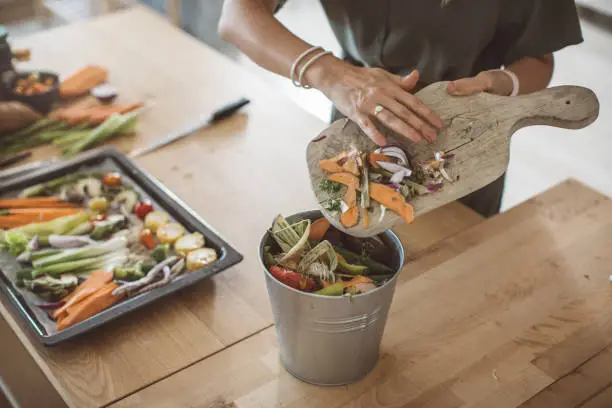
A 'Zero Waste' kitchen minimizes organic waste by composting scraps and food leftovers, turning them into nutrient-rich soil for gardens while reducing landfill impact.

Benefits of Zero Waste Kitchen

Benefits of Zero Waste Kitchen

  • Reduces landfill waste – Organic scraps are composted, not thrown away.
  • Produces nutrient-rich compost – Improves garden soil naturally.
  • Eco-friendly – Lowers greenhouse gas emissions from organic waste.
  • Cost-saving – Reduces the need for waste disposal services.
Applications of Zero Waste Kitchen

Applications

  • Home composting – Kitchen scraps turned into compost for gardens or plants.
  • Community gardens – Organic waste from multiple households can feed communal soil.
  • Restaurants & cafes – Food scraps can be collected and composted efficiently.
  • School projects – Teaching students about organic recycling and sustainability.
Challenges of Zero Waste Kitchen

Challenges

  • Requires commitment – Must consistently separate organic waste.
  • Space needed – Compost bins may take up room in small kitchens.
  • Time and maintenance – Composting requires occasional turning and monitoring.

Why This Matters

Organic waste accounts for a large portion of household garbage. Composting in a 'Zero Waste' kitchen not only reduces landfill burden but enriches soil, lowers emissions, and promotes sustainable food practices.

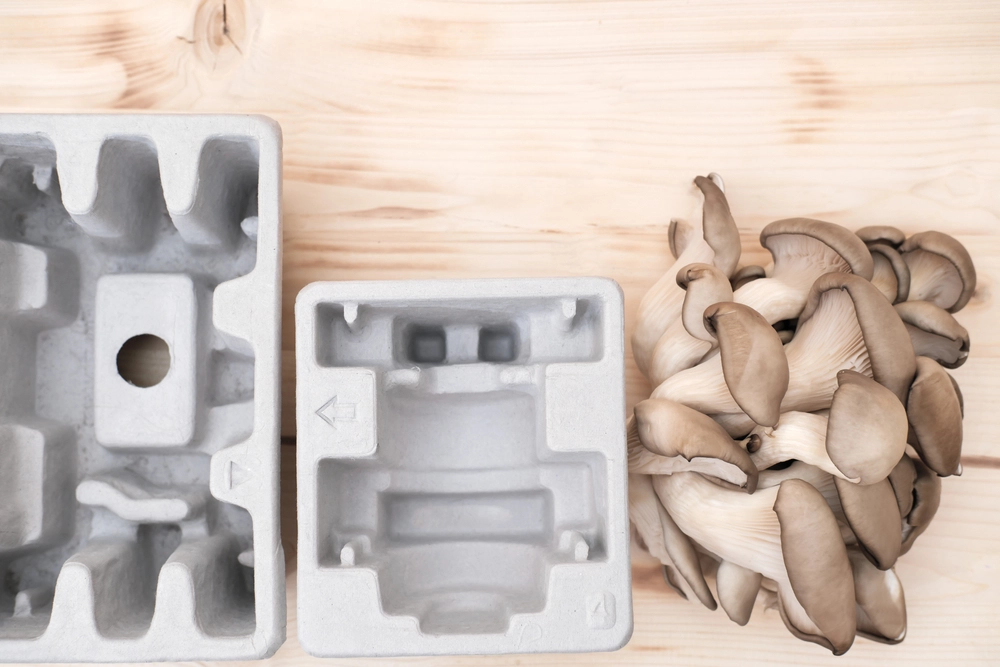
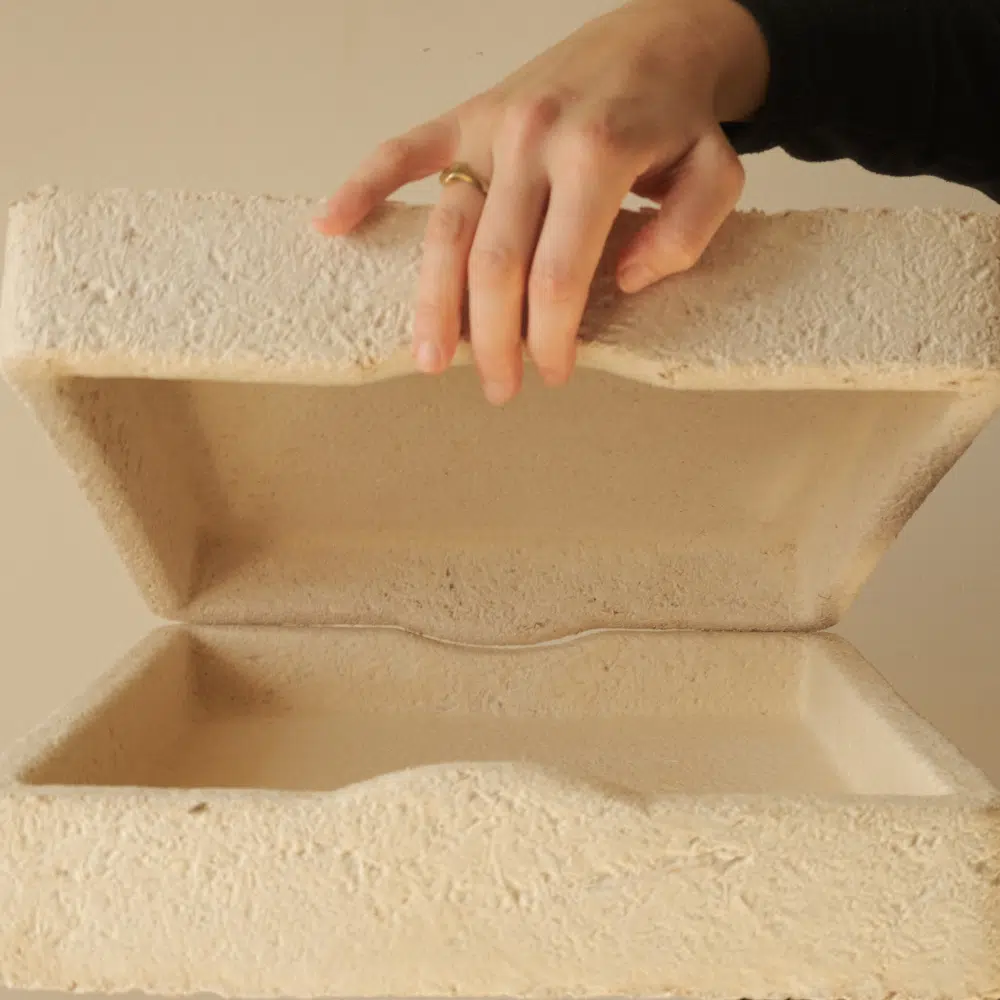
Mycelium packaging uses the root structure of mushrooms to create a biodegradable alternative to Styrofoam, offering a sustainable way to protect goods during shipping.

Benefits of Mycelium Packaging

Benefits

  • 100% Biodegradable – Can be composted in a home garden.
  • Non-toxic – Made from organic matter without harmful chemicals.
  • Energy efficient – Requires much less energy to produce than plastic.
Applications

Applications

  • E-commerce – Protective inserts for electronics and fragile items.
  • Insulation – Natural thermal insulation for buildings.
  • Fashion – Eco-friendly alternatives to leather or foam.
Challenges

Challenges

  • Production time – Growing mushrooms takes longer than molding plastic.
  • Scalability – Currently more expensive to produce at mass scale.

Why This Matters

Styrofoam takes thousands of years to decompose. Replacing it with mycelium turns packaging waste into food for the earth, drastically reducing long-term pollution.

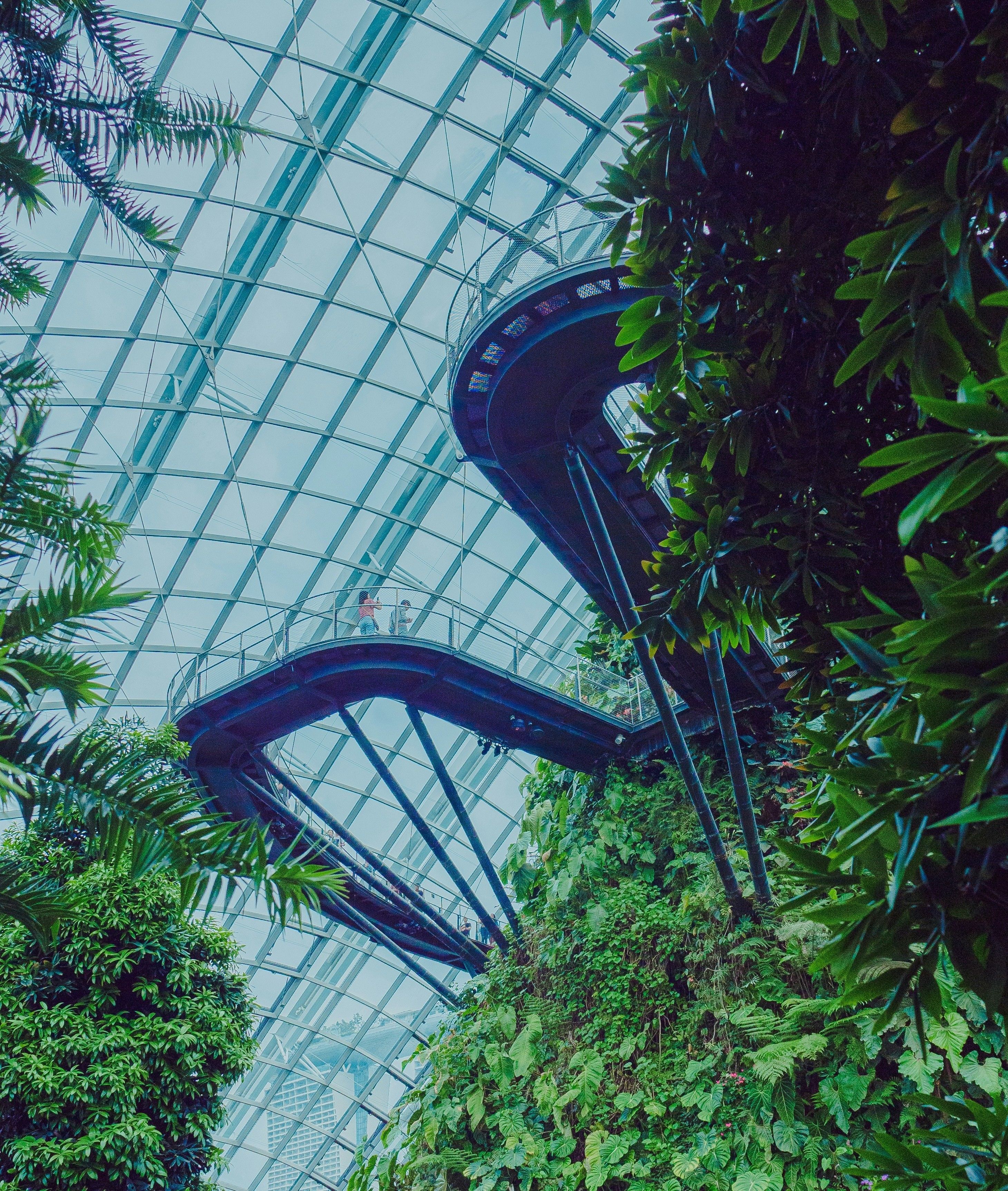
Vertical forests integrate thousands of plants into high-rise buildings, creating a living ecosystem that cleans the air and cools the city.

Benefits

Benefits

  • Air purification – Plants absorb CO2 and filter fine dust.
  • Biodiversity – Provides a habitat for birds and beneficial insects.
  • Temperature control – Reduces the urban heat island effect.
Applications

Applications

  • Residential towers – High-rise living with a private 'forest' balcony.
  • Office buildings – Improving employee well-being and productivity.
Challenges

Challenges

  • Maintenance – Requires complex irrigation and professional pruning.
  • Structural weight – Buildings must be designed to hold heavy soil.

Why This Matters

As cities grow, green spaces disappear. Vertical forests allow us to re-green our planet without needing more land, fighting climate change from the rooftops down.

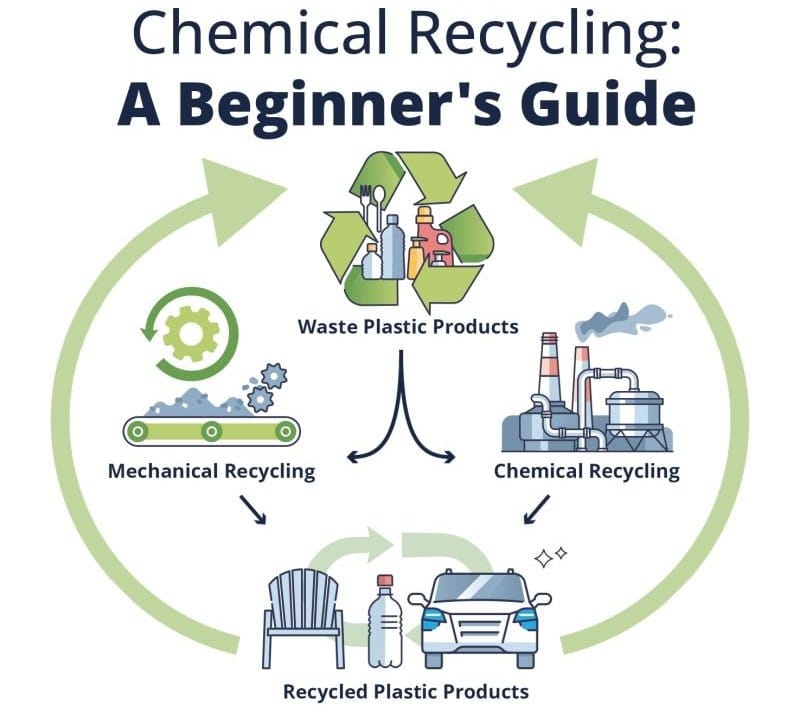
Unlike traditional recycling which melts plastic, chemical recycling breaks down polymers into their original molecular building blocks, allowing infinite recycling of complex plastics.

Benefits of Chemical Recycling

Benefits

  • Infinite cycles – Plastic can be recycled repeatedly without losing quality.
  • Handles mixed waste – Can process multi-layer plastics and films.
  • Purity – Produces 'virgin-quality' plastic safe for food packaging.
Process

The Process

  • Depolymerization – Breaking plastic back into liquid or gas monomers.
  • Purification – Removing dyes, additives, and contaminants.
  • Re-polymerization – Building brand new plastic from the old molecules.
Challenges

Challenges

  • High energy – Requires more power than mechanical shredding.
  • High cost – Currently more expensive to build and operate facilities.

Why This Matters

Mechanical recycling can only reuse plastic a few times before it degrades. Chemical recycling offers a true 'circular' solution, keeping plastic out of oceans and landfills by keeping its value alive forever.